Chicago’s DIY Scene Isn’t Just a Scene Anymore, It’s Infrastructure
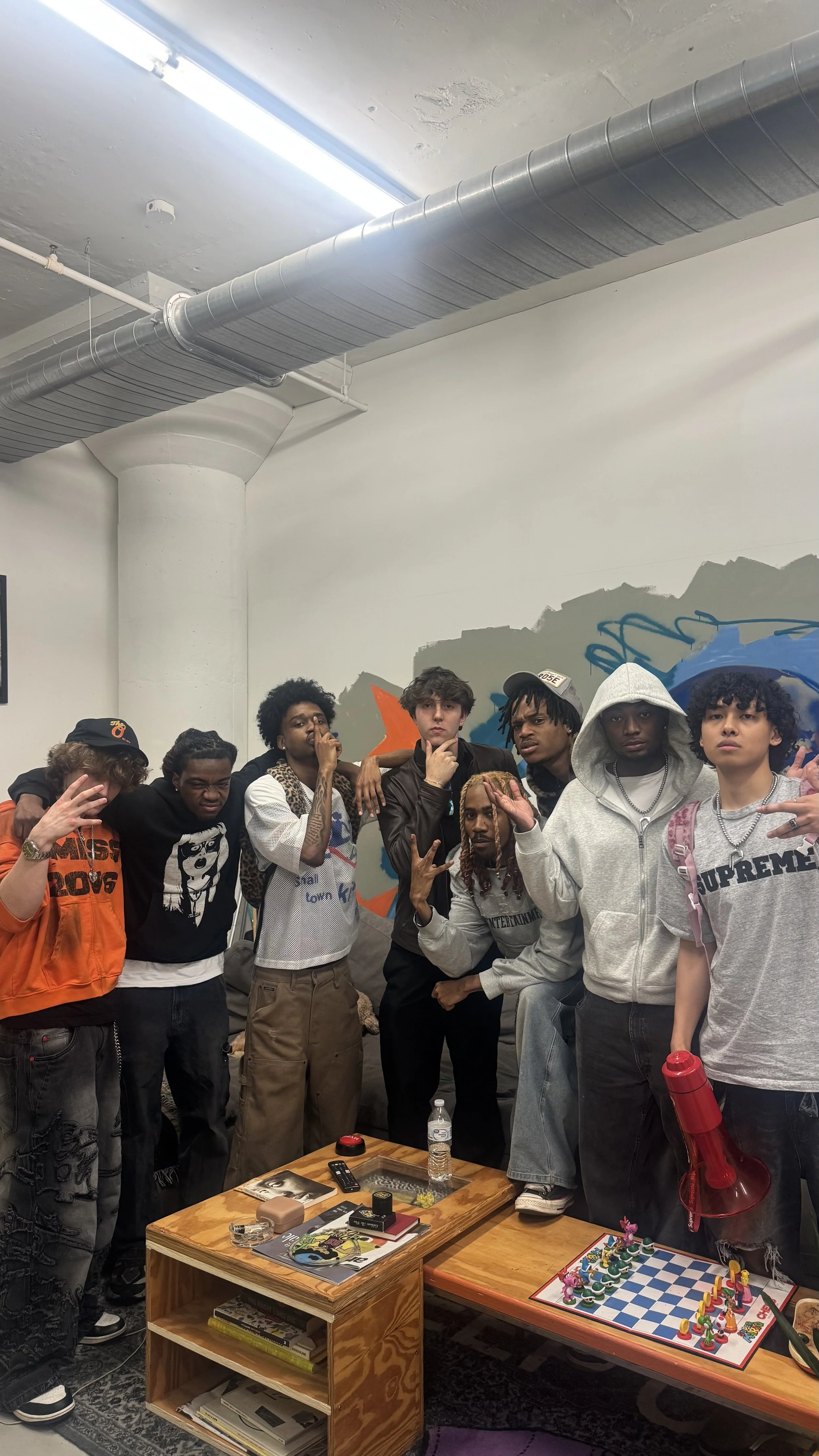
For years, independent music scenes were treated like stepping stones. An artist would build a local following, play smaller rooms, gain traction online and hopefully attract the attention of a label, manager or larger industry institution. In Chicago, that model is starting to feel outdated. A new generation of artists, creatives and independent organizations is building something more permanent: an ecosystem capable of developing artists, creating media, organizing events, producing content and connecting communities without waiting for traditional industry approval.
That distinction matters. A scene creates attention. Infrastructure creates careers.
ForTheYouth founder George Pareti has watched that transition happen firsthand. Since launching ForTheYouth in Chicago, Pareti has worked across live events, artist interviews, editorial content, workshops, short-form video, creative campaigns and community activations. Through that work, he has seen independent artists become increasingly capable of building the functions that were once almost exclusively associated with record labels and larger media companies.
Artists such as Thirteendegrees, Kels!, Mike DFG, Fuego Baine, Okdeazy, MondoHardy and others within Chicago’s emerging generation are part of a broader shift. Their careers are being built through interconnected networks of videographers, event organizers, studios, photographers, designers, media platforms and fellow artists. The result is not simply a collection of musicians operating independently. It is an alternative infrastructure.
The traditional music industry has historically controlled access to many of the resources artists need to grow. Labels financed recordings, publicists secured coverage, promoters created live opportunities, media companies introduced audiences to new artists and A&R departments helped identify and develop talent. Those functions still exist, but independent artists no longer have to wait for one company to provide all of them. A Chicago artist can now record at an independent studio, film a music video with a local director, perform at an independently promoted event, appear on a local media platform and distribute the resulting content directly through social media within the same week. Each individual component might seem small, but together they form a development system.
ForTheYouth was created in response to that exact gap. Pareti saw talented artists across Chicago making strong music but often lacking the surrounding ecosystem necessary to turn that music into momentum. The problem was not always a lack of talent. In many cases, it was the absence of consistent opportunities, storytelling and community. An artist might release a great song but have nowhere meaningful to perform it. Another might have an engaged local audience but little media coverage documenting what they were building. Someone else might need introductions to photographers, producers, videographers or other artists. ForTheYouth began as a way to connect those pieces.
Over time, that expanded into interviews, live events, short documentaries, workshops, cyphers, artist coverage and other forms of creative programming. The goal was never simply to post artists. It was to help create an environment in which artists could repeatedly be seen, heard and connected. That repetition is what infrastructure provides. One of the biggest changes in modern music is the role of independent media. Local music platforms were once primarily viewed as coverage outlets. They reviewed releases, interviewed artists and documented shows. Now, the strongest independent media platforms often participate directly in artist development.
An interview can introduce an artist to a new audience. A performance series can create reusable content. A well-produced event can strengthen an artist’s perceived value. A short documentary can give fans a reason to care about the person behind the music. The media is no longer simply reporting on culture. It is helping build it. ForTheYouth has approached media from that perspective. Rather than treating every artist interaction as an isolated post, the platform has experimented with recurring formats and experiences that can provide artists with multiple points of exposure. A live event can generate performance clips. Those clips can lead to interviews. The interviews can introduce audiences to upcoming releases. A release can create another reason for an event, article or collaboration.
When those pieces connect, the artist receives something much more valuable than a single piece of coverage. They receive momentum. That is especially important for emerging artists because attention on the internet is temporary. A viral video might last a few days. A strong local ecosystem can continue supporting an artist for years. Chicago’s independent music infrastructure is also being built in physical spaces. For emerging artists, live events remain one of the most effective ways to convert online awareness into genuine community. That is why independent shows, listening events, pop-ups and creative activations have become so important.
ForTheYouth has organized and participated in events throughout Chicago ranging from intimate showcases to larger collaborative programming. Those experiences have reinforced a simple lesson: an event should create more than one night of entertainment. It should create relationships. Artists meet other artists. Managers meet photographers. Fans discover performers they had only seen online. Videographers find new clients. Brands discover emerging communities. Media platforms develop future stories. An effective event becomes a physical version of the independent ecosystem.
That is one reason Chicago is uniquely positioned for this kind of model. The city has major venues, universities, studios, neighborhoods, nightlife, fashion communities and a deep history of independent music. At the same time, its creative communities remain interconnected enough that a relatively small group of people can generate significant cultural momentum. An artist does not necessarily need thousands of fans across the country immediately. Sometimes 200 people who genuinely care in Chicago can be more valuable than 100,000 passive followers online. Those 200 people attend shows, buy merchandise, bring friends, repost releases and become part of the story. Infrastructure gives those relationships somewhere to grow.